
Table of Contents
ToggleHome sweet home techniques can transform any living space into a welcoming retreat. A cozy home does more than look good, it affects mood, productivity, and overall well-being. The good news? Creating that warm, inviting atmosphere doesn’t require a massive budget or professional design skills.
Whether someone lives in a small apartment or a spacious house, the right techniques make all the difference. This guide covers practical strategies to turn any space into a comfortable sanctuary. From decluttering basics to adding personal touches, these home sweet home techniques work for any style or budget.
Key Takeaways
- Home sweet home techniques transform any living space into a cozy retreat without requiring a large budget or professional skills.
- Start by decluttering one room at a time and use the “one in, one out” rule to maintain an organized space long-term.
- Add personal touches like family photos, sentimental objects, and meaningful art to make your house feel like a true home.
- Layer your lighting with ambient, task, and accent sources—including candles—to create warmth and depth in every room.
- Incorporate natural elements such as houseplants, wood furniture, and fresh flowers to bring calming, organic energy indoors.
- Establish dedicated comfort zones for relaxation, keeping bedrooms as screen-free sleep sanctuaries for better well-being.
Declutter and Organize Your Space
Clutter kills coziness. A messy room creates visual noise and mental stress. The first step in any home sweet home technique is clearing out what doesn’t belong.
Start with one room at a time. Sort items into three categories: keep, donate, and discard. Be honest about what actually gets used. That bread maker from 2019? If it hasn’t made bread in years, it’s time to let it go.
Once the clutter is gone, smart organization takes over. Storage solutions don’t need to be expensive. Baskets, bins, and drawer dividers keep items accessible but out of sight. The key is giving everything a dedicated spot.
Vertical storage works wonders in small spaces. Wall-mounted shelves, hooks, and hanging organizers free up floor space while keeping essentials within reach. A well-organized home feels larger and more peaceful.
Consider a “one in, one out” rule to maintain the decluttered space. For every new item that enters the home, something else leaves. This simple habit prevents future buildup and keeps home sweet home techniques effective long-term.
Add Personal Touches and Meaningful Decor
A house becomes a home through personal touches. Generic decor from big-box stores can look nice, but it won’t create that “home sweet home” feeling. Meaningful items tell a story and spark joy.
Family photos remain a classic choice. Create a gallery wall with frames in different sizes and styles. Mix in artwork, travel souvenirs, or children’s drawings for variety. The goal is a collection that reflects real life and memories.
Sentimental objects add character. A grandmother’s vintage vase, books collected over decades, or handmade crafts from travels, these pieces carry emotional weight. They make a space feel genuinely lived-in rather than staged.
Don’t overlook color as a home sweet home technique. Warm tones like terracotta, mustard, and deep green create inviting atmospheres. Cool blues and grays work too, especially when balanced with warm accents. The right color palette sets the mood for the entire space.
Art doesn’t need to cost thousands. Local artist markets, thrift stores, and even printable downloads offer affordable options. What matters is choosing pieces that resonate personally.
Create Warmth With Lighting and Textiles
Lighting can make or break a room’s ambiance. Harsh overhead lights feel cold and institutional. Layered lighting creates depth and warmth, a core home sweet home technique that designers swear by.
Use three types of lighting: ambient (general room lighting), task (reading lamps, kitchen lights), and accent (candles, string lights). Table lamps and floor lamps add soft pools of light throughout a room. Dimmer switches offer flexibility for different times of day.
Candles deserve special mention. They provide flickering warmth that no electric light can match. Unscented versions work for those sensitive to fragrance, while scented candles add another sensory layer. Just a few lit candles transform an ordinary evening into something special.
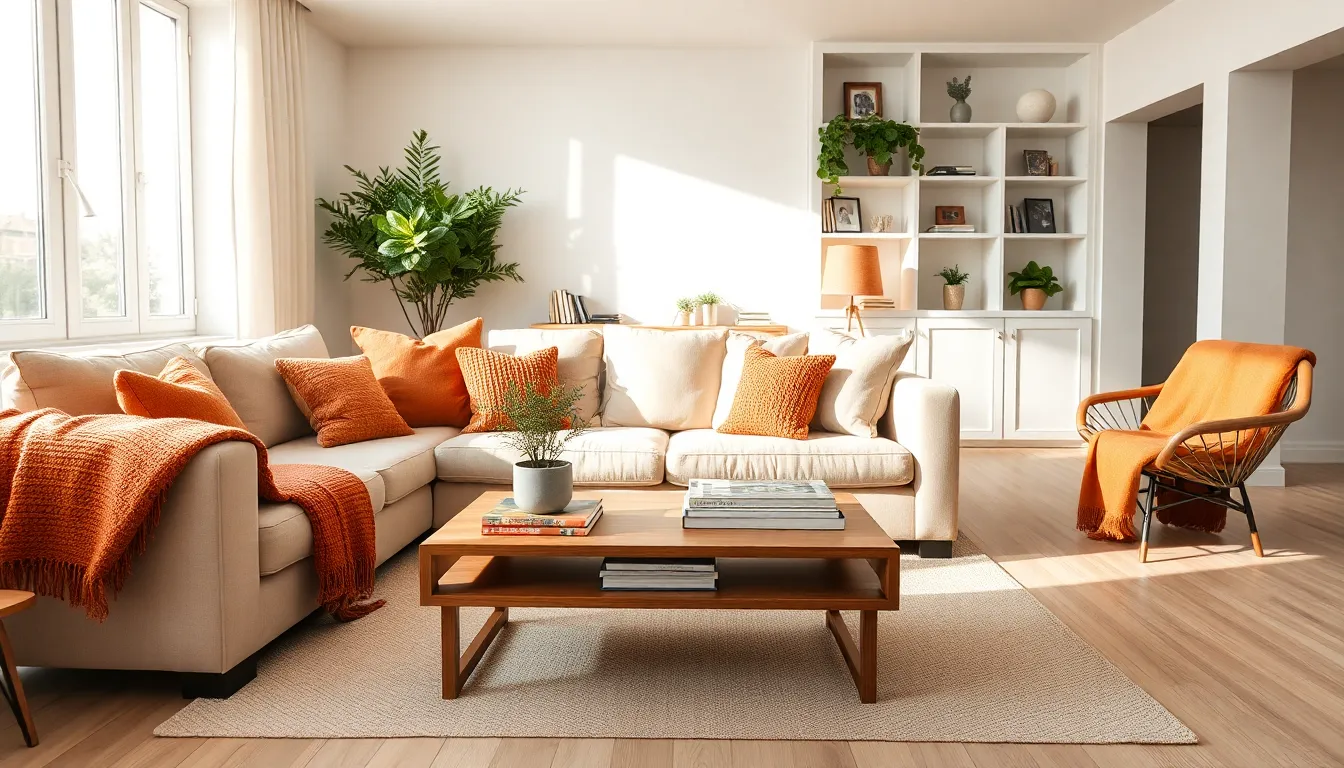
Textiles bring physical comfort to home sweet home techniques. Soft throw blankets draped over sofas invite relaxation. Plush area rugs warm cold floors and add visual interest. Curtains soften windows and can help with temperature regulation.
Layering textiles creates that cozy, lived-in look. Mix textures: a chunky knit blanket, smooth cotton pillows, and a woven basket. The combination adds visual richness without appearing cluttered.
Bedrooms especially benefit from quality textiles. Soft sheets, a thick duvet, and extra pillows turn a bed into a retreat. These investments pay off in comfort every single night.
Incorporate Natural Elements
Nature has a calming effect on the human mind. Bringing natural elements indoors is one of the most effective home sweet home techniques available.
Houseplants top the list. They purify air, add color, and create a sense of life in any room. Low-maintenance options like pothos, snake plants, and succulents work for those without a green thumb. Even a single plant on a windowsill makes a difference.
Natural materials extend the connection to the outdoors. Wood furniture, stone accents, and woven baskets bring organic textures inside. These materials age beautifully and never go out of style.
Flowers, fresh or high-quality dried, brighten any space instantly. A simple vase of grocery store flowers costs little but adds significant warmth. Rotate them seasonally: tulips in spring, sunflowers in summer, mums in fall.
Natural light matters too. Keep windows unobstructed where possible. Mirrors placed opposite windows bounce light deeper into rooms. Natural light improves mood and makes spaces feel more open.
Establish Comfort Zones for Relaxation
Every home needs designated spots for unwinding. These comfort zones don’t require extra rooms, just intentional setup within existing spaces.
A reading nook might be a corner chair with good lighting and a small side table. A meditation spot could be a cushion near a window. The key is creating spaces dedicated to specific relaxing activities.
Furniture arrangement supports these zones. Seating should encourage conversation in living rooms. A cozy chair angled toward a fireplace or window creates an instant retreat. Even small apartments can carve out corners for relaxation with the right home sweet home techniques.
Consider sensory elements in comfort zones. A small speaker for music or podcasts. A scented candle or diffuser. A soft blanket within arm’s reach. These details make the space inviting and functional.
Bedrooms should remain sleep sanctuaries. Remove work materials and electronics when possible. Keep screens out of sight or at least away from the bed. A calm bedroom improves sleep quality and overall well-being.
Outdoor spaces count too. A balcony with comfortable seating, a porch swing, or even a small patio table extends living space. These areas offer fresh air and a change of scenery without leaving home.