Table of Contents
ToggleHome sweet home tips can transform any living space into a true sanctuary. A comfortable home doesn’t require a massive budget or professional designers. It needs intention, a few smart choices, and a willingness to prioritize what actually matters.
Most people spend over 60% of their time at home. Yet many feel disconnected from their living spaces. The rooms feel cluttered, the lighting feels harsh, and the atmosphere feels… off. That changes today.
This guide covers practical strategies anyone can use. From organizing strategies to lighting tricks, personal touches to daily routines, these home sweet home tips work for apartments, houses, and everything in between. The goal is simple: create a space that feels genuinely good to live in.
Key Takeaways
- Start decluttering one room at a time to build momentum and reduce stress—research shows cluttered homes increase cortisol levels.
- Layer your lighting with ambient, task, and accent sources using warm bulbs (2700K-3000K) to create a cozy atmosphere.
- Add personal touches like meaningful photos, low-maintenance plants, and varied textures to make your space feel uniquely yours.
- Invest in quality textiles like soft blankets and high-thread-count sheets for everyday comfort that makes a real difference.
- Establish morning and evening routines, including a five-minute tidying habit, to keep your home sweet home tips working long-term.
- Designate specific spaces for specific activities to create mental boundaries between work, relaxation, and rest.
Declutter and Organize Your Living Spaces
Clutter steals comfort. It’s that simple. A cluttered room creates visual noise that makes the brain work harder. Research from UCLA found that people with cluttered homes had higher cortisol levels throughout the day. Home sweet home tips always start here, with less stuff.
Start With One Room
Picking the whole house at once leads to burnout. Choose one room. Better yet, choose one corner of one room. Small wins build momentum.
Sort items into four categories:
- Keep
- Donate
- Trash
- Relocate
Be honest during this process. If something hasn’t been used in a year, it probably won’t be used in the next year either.
Create Storage Systems That Work
Organization fails when storage systems don’t match actual habits. A beautiful basket collection means nothing if nobody uses them.
Think about natural movement patterns. Where do keys get dropped? That’s where a key hook belongs. Where do bags land? That spot needs a designated home.
Vertical storage works wonders in small spaces. Wall-mounted shelves, over-door organizers, and stackable containers maximize square footage without adding floor clutter.
Maintain the System
Home sweet home tips only work when they become habits. Spend five minutes each evening putting things back where they belong. This small investment prevents the avalanche of mess that builds over weeks.
Create Cozy Lighting and Ambiance
Lighting changes everything about how a room feels. Harsh overhead lights make spaces feel sterile. Warm, layered lighting creates comfort.
Layer Your Light Sources
Professional designers use three types of lighting:
- Ambient lighting: General illumination for the whole room
- Task lighting: Focused light for specific activities like reading
- Accent lighting: Decorative lights that highlight features or create mood
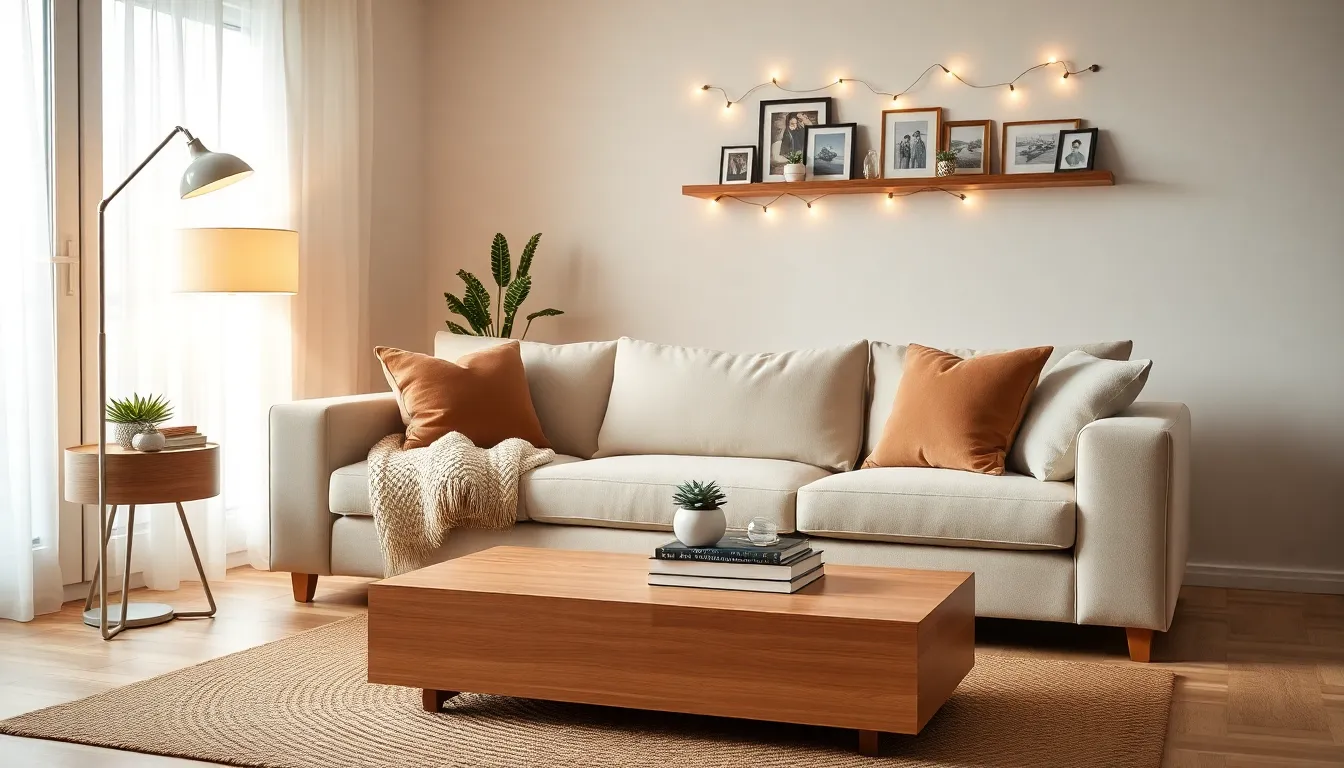
Most homes rely too heavily on ambient lighting alone. Adding table lamps, floor lamps, and string lights creates depth and warmth.
Choose the Right Color Temperature
Light bulbs come in different color temperatures measured in Kelvin. Warmer temperatures (2700K-3000K) create cozy, relaxed atmospheres. Cooler temperatures (4000K+) feel energizing but less intimate.
For living rooms and bedrooms, stick with warmer options. Home offices might benefit from slightly cooler light to maintain alertness.
Use Dimmers and Smart Bulbs
Dimmers transform a single light source into multiple options. Bright light for cleaning, dim light for movie night, same fixture, different moods.
Smart bulbs take this further. They allow scheduling, color changes, and voice control. Waking up to gradually brightening lights beats a jarring alarm clock.
These home sweet home tips about lighting cost relatively little but deliver significant comfort improvements.
Add Personal Touches That Reflect Your Style
A comfortable home feels like your home. Generic spaces lack soul. Personal touches transform rooms from showroom displays into places that actually feel lived-in.
Display Meaningful Items
Photographs of loved ones, souvenirs from travels, artwork that sparks joy, these items tell a story. They make a space uniquely yours.
But curation matters. Displaying everything creates visual clutter. Select pieces that genuinely mean something and give them proper placement.
Incorporate Plants and Natural Elements
Plants bring life into any room, literally. They improve air quality, reduce stress, and add color without much effort.
Not everyone has a green thumb, and that’s fine. Low-maintenance options like pothos, snake plants, and succulents thrive on neglect. Even one small plant on a windowsill makes a difference.
Natural materials like wood, stone, and cotton create warmth that synthetic materials struggle to match.
Mix Textures and Patterns
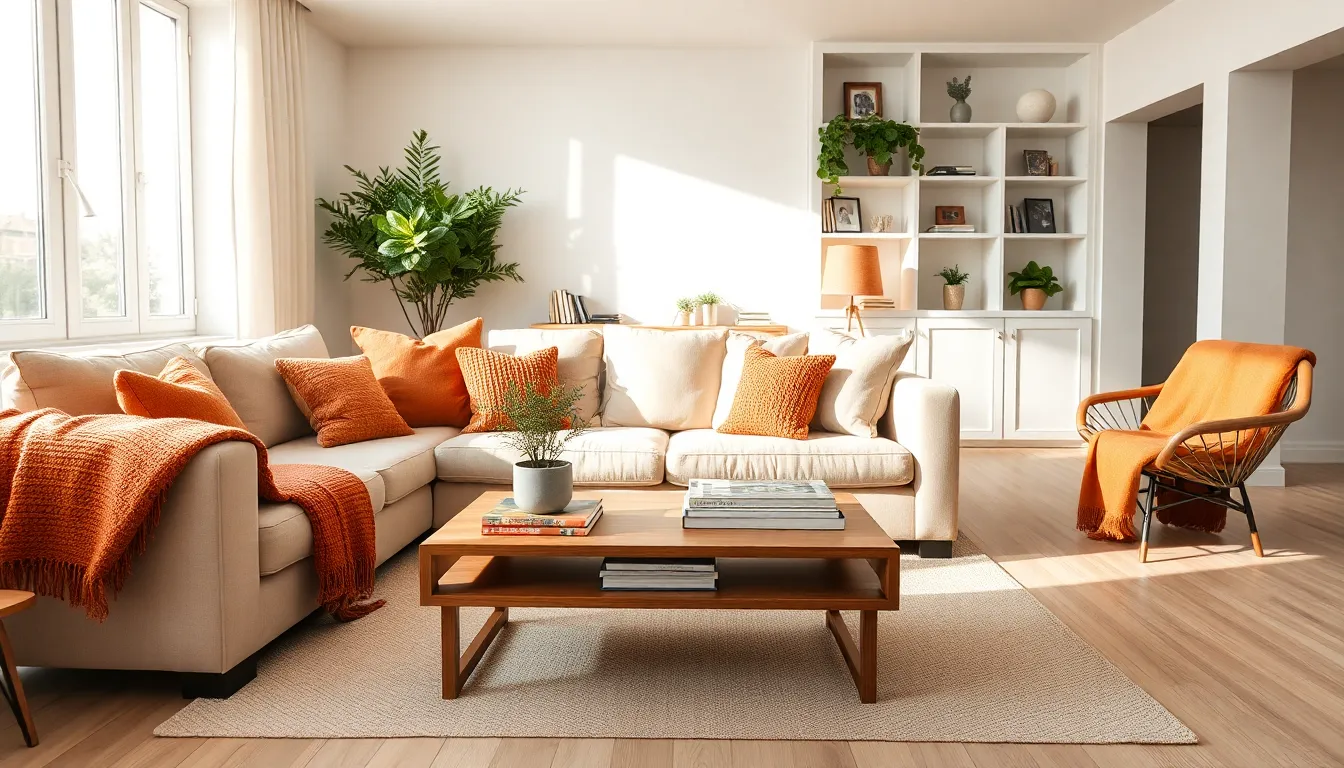
Home sweet home tips often overlook texture. A room with all smooth surfaces feels cold. Adding varied textures, a chunky knit blanket, a woven rug, velvet pillows, creates visual and tactile interest.
Patterns work similarly. Mixing patterns sounds intimidating, but sticking to a consistent color palette makes it easier. Stripes with florals, geometric with organic, combinations that share colors tend to work together.
Incorporate Comfort-Boosting Elements
Some items exist purely to make life more pleasant. These comfort-boosting elements turn ordinary spaces into retreats.
Invest in Quality Textiles
People interact with textiles constantly, sitting on sofas, sleeping on sheets, drying off with towels. Quality matters here more than almost anywhere else.
Soft throw blankets on the couch invite lounging. High-thread-count sheets improve sleep quality. Plush bath towels make ordinary mornings feel luxurious.
Consider Scent
Smell connects directly to memory and emotion. A home that smells good feels more welcoming.
Options include:
- Candles
- Reed diffusers
- Essential oil diffusers
- Fresh flowers
- Baking something delicious
Avoid overwhelming fragrances. Subtle scents work better than strong ones.
Manage Temperature and Sound
Comfort extends to environmental factors. A room that’s too hot, too cold, too loud, or too quiet feels uncomfortable regardless of decor.
Blackout curtains help regulate temperature. Rugs absorb sound and warm bare feet. A small fan or white noise machine can mask disruptive sounds.
These home sweet home tips address comfort at a fundamental level. Pretty decorations mean little if the space feels physically uncomfortable.
Establish Relaxing Daily Routines at Home
A comfortable home isn’t just about stuff. It’s about how people live in the space. Daily routines shape the home experience more than most realize.
Create Morning and Evening Rituals
Routines reduce decision fatigue. They create rhythm and predictability that the brain finds soothing.
Morning rituals might include:
- Making the bed immediately upon waking
- Enjoying coffee in a favorite spot
- Opening curtains to let in natural light
Evening rituals might include:
- A brief tidying session
- Dimming lights an hour before bed
- Preparing items needed for the next day
These small actions compound over time. They transform a house into a well-functioning home.
Designate Spaces for Specific Activities
Working from the couch blurs boundaries between relaxation and productivity. The couch becomes associated with stress instead of rest.
When possible, designate specific areas for specific activities. Work happens at the desk. Relaxation happens on the couch. Sleep happens in bed, and only sleep.
This separation trains the brain to shift gears based on location.
Protect Your Home From Outside Stress
Home sweet home tips should address boundaries. Not every call needs answering at home. Not every email demands an immediate response.
Consider leaving work devices in a specific location rather than carrying them room to room. Create phone-free zones or times. The home should feel like a refuge, not an extension of the office.